About Peter
Fifty years in the water. Thirty-eight of them for a living.
I grew up about as far from the ocean as you can get in New England, but I was hooked on it before I'd ever really seen it. Flipper, Gilligan's Island, old reruns of Sea Hunt — I didn't want a dog growing up, I wanted a dolphin living in the backyard. Connecticut always felt like the wrong state for me.
I made my first dive in 1974, right around the time I graduated high school, and not long after that I packed up my dive gear and headed south to Florida. I got my captain's license, learned boats inside and out, and started carrying a camera with me everywhere the work eventually took me — all over the Caribbean.
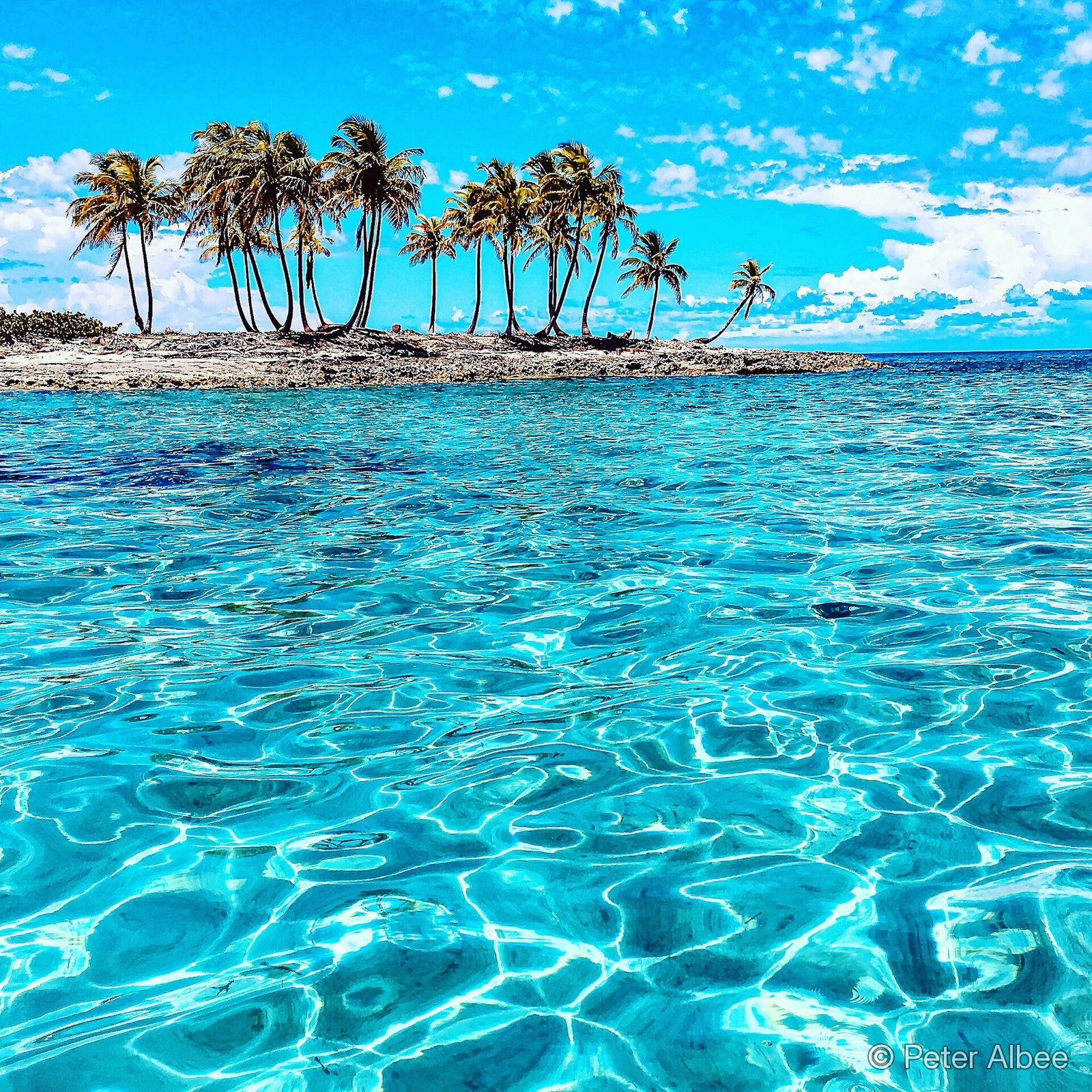
Florida is where everything clicked. I ran my first boat for a little over nine years, spending five or six days a week out in the Bahamas — by the time that stretch was over I'd logged somewhere between four and five hundred trips through the island chain, including out-islands nearly 800 miles down that most travelers never see, let alone photograph. You learn a place fast at that pace. I knew exactly where the dolphins would be, where to find the biggest and best shells, where to take my boss and his guests fishing, when the wahoo were running, and where the blue marlin were holding. From there the work took me through the wider Caribbean, Belize, Honduras, Mexico, and the Turks & Caicos, season after season, year after year.
A 3,500-mile loop through Central America
One trip in particular still stands out. In the '90s I was running a 63-foot sport-fisherman on a roughly 3,500-mile run down from West Palm Beach, through the Florida Keys, past Cuba, and into Mexico — diving, filming, and fishing our way through Belize, Mexico, and Honduras, up the Río Dulce into the Guatemalan rainforest, and back down again on the return leg. The whole loop took about two months, with my boss flying in and out to use the boat and meeting us at a handful of destinations along the way. This was before digital cameras were really a thing, so most of what I shot was on film and old Hi8 video tape rather than anything I can post today — but the tapes are still around, and I'm slowly working through them to bring some of that trip into the archive.
A camera came everywhere the boat went
Somewhere along the way — and it's hard to pin down exactly when, because it happened so gradually — the camera stopped being a hobby and became part of the job. Clients wanted photos. I wanted better ones. Eventually I was shooting both above and below the waterline on nearly every trip: 58-megapixel stills and drone video topside, and a Nikon D850 in an Aquatica or Nauticam underwater housing below, whether we were chasing bonefish on the flats or drifting over a reef with a boatload of snorkelers.
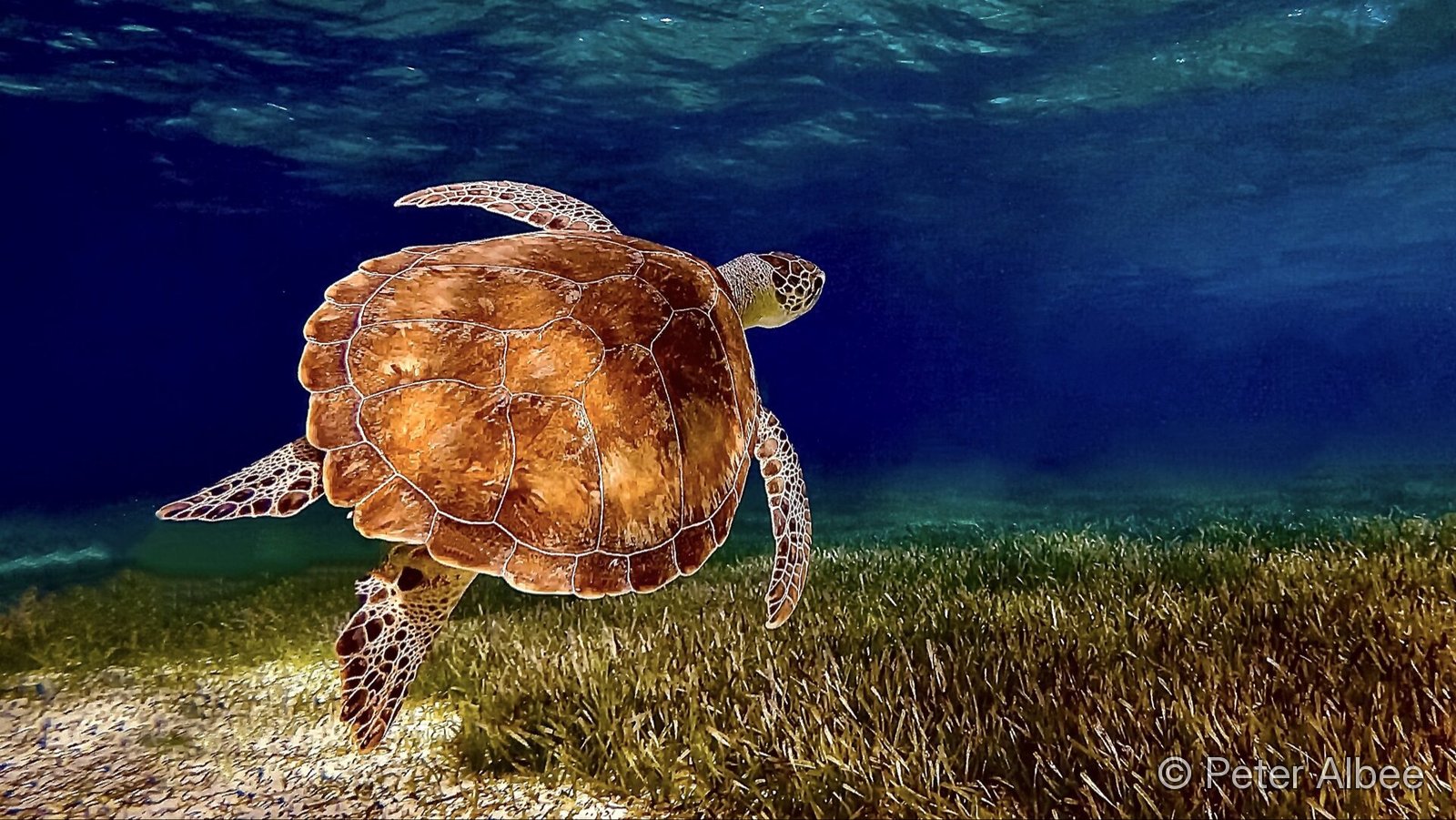
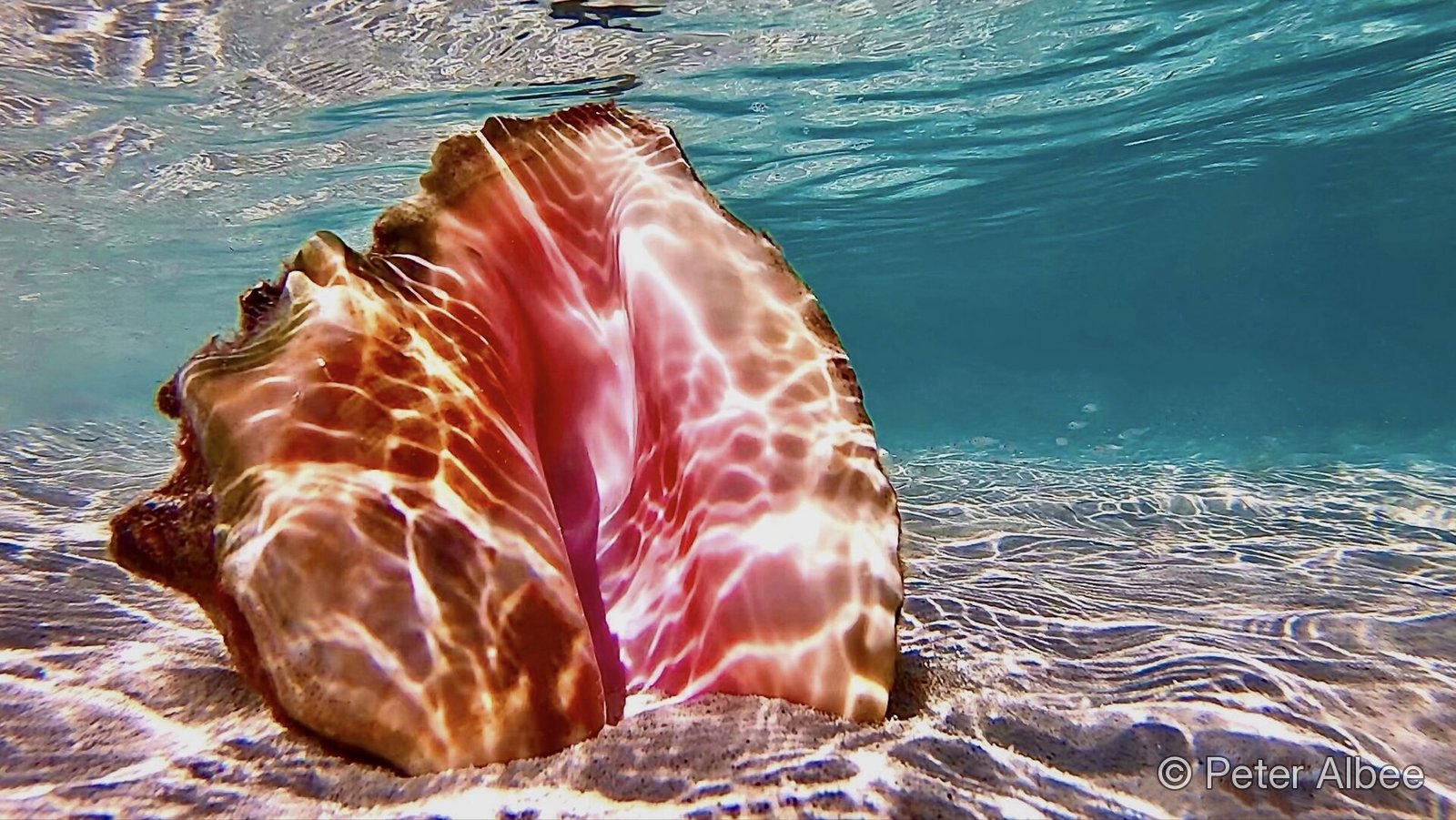
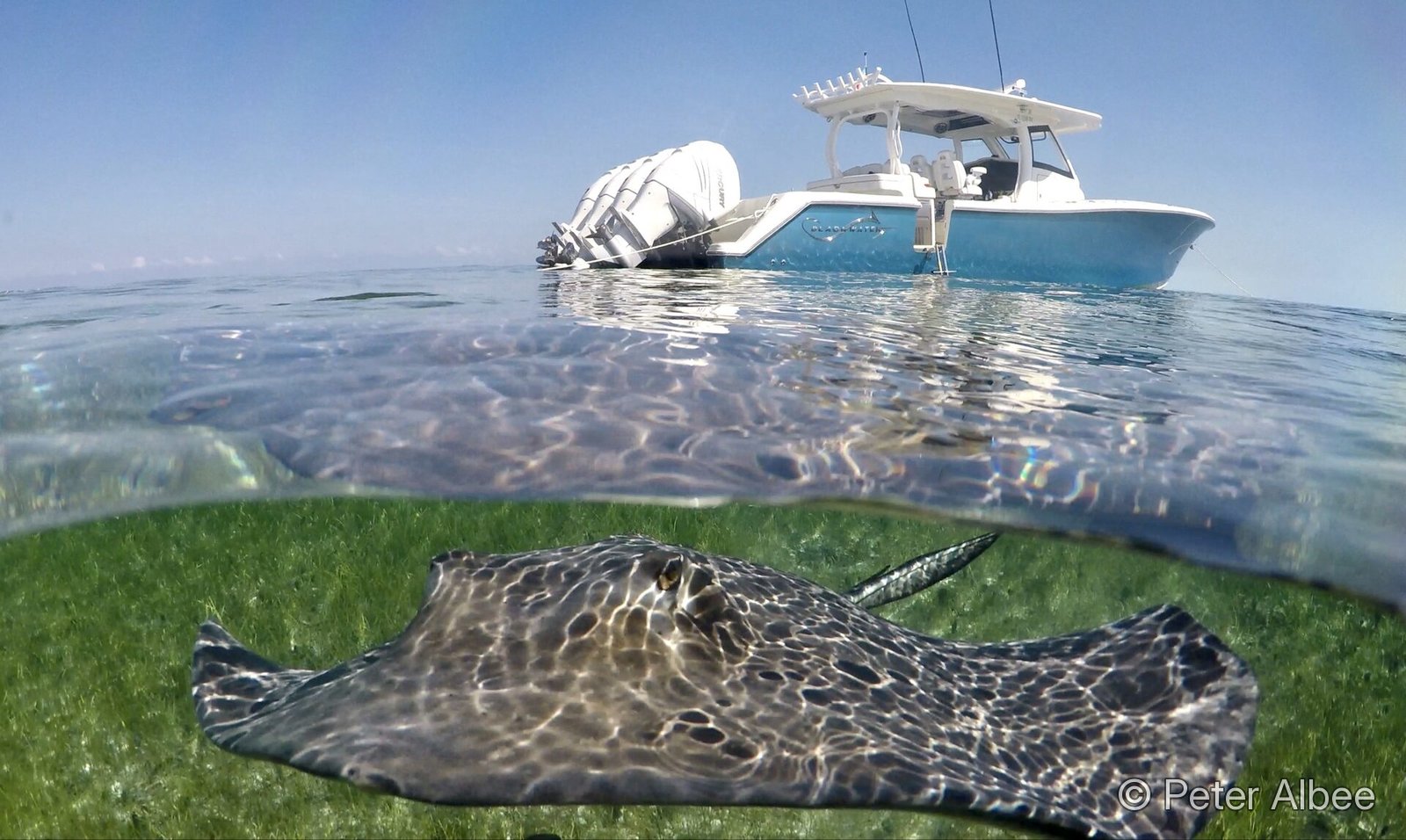
What started as documentation turned into a genuine archive. Thirty-eight years of stingrays working the sand flats at low tide. Sea turtles gliding past at exactly the right angle. Split-level shots that catch the boat above the surface and the reef below in a single frame — a technique that takes years of trial, timing, and more than a little luck with the swell. Macro studies of conch shells backlit by the afternoon sun. All of it shot on location, on working trips, not staged for a portfolio.
Somewhere between the fishing charters and the dive trips, I ended up with over half a million images and video clips — and I never set out to build a photography business. I just kept showing up with a camera.
An early push for conservation
Back in the early '80s, competing in kill tournaments out of Chubb Cay and a few other venues, I started noticing what everyone out there was starting to notice: the big fish were getting harder to find. I tried to push some of the tournaments I fished in toward a different model — bringing an independent photographer on board to document the catch and its size on film, instead of killing the fish just to weigh it in. It didn't catch on the way I'd hoped, and most tournaments still work the old way today. But it was an early lesson in what a camera could do that a scale couldn't.
Retirement, and a second act
After 38 years on the water, I've retired from full-time chartering. But I still hold an active captain's license, and now that I've turned 70, I'm not interested in letting an archive this size sit untouched on a hard drive. This site is where I'm finally organizing, printing, and sharing the work — and where I'm offering the one thing that separates me from almost every other underwater photographer selling prints online: I can still take you out on the boat myself, to show you what I used to show my owners and their guests.
If you're a collector looking for a print, a brand looking to license authentic Caribbean and Bahamian imagery, or a traveler who wants a guided photo trip with someone who's fished and dived these waters for half a century — that's exactly what this second chapter is for.
I'm also digging back through decades of trips to pull out some of my favorite older images, so keep an eye out for more of the archive from years past mixed in with the newer work. And we're putting together an ambient screensaver loop you'll be able to run on your TV at home — a little bit of this water, right in your living room. More on that soon.
Gear & Craft
The tools behind the archive
Nikon D850
A full-frame workhorse for both the reef and the flats — high resolution files that hold up at print sizes well beyond a standard wall print.
Aquatica & Nauticam Housings
Split-level over-unders go through an Aquatica housing and its large dome port; Nauticam covers the rest of the underwater work — the choice comes down to the shot.
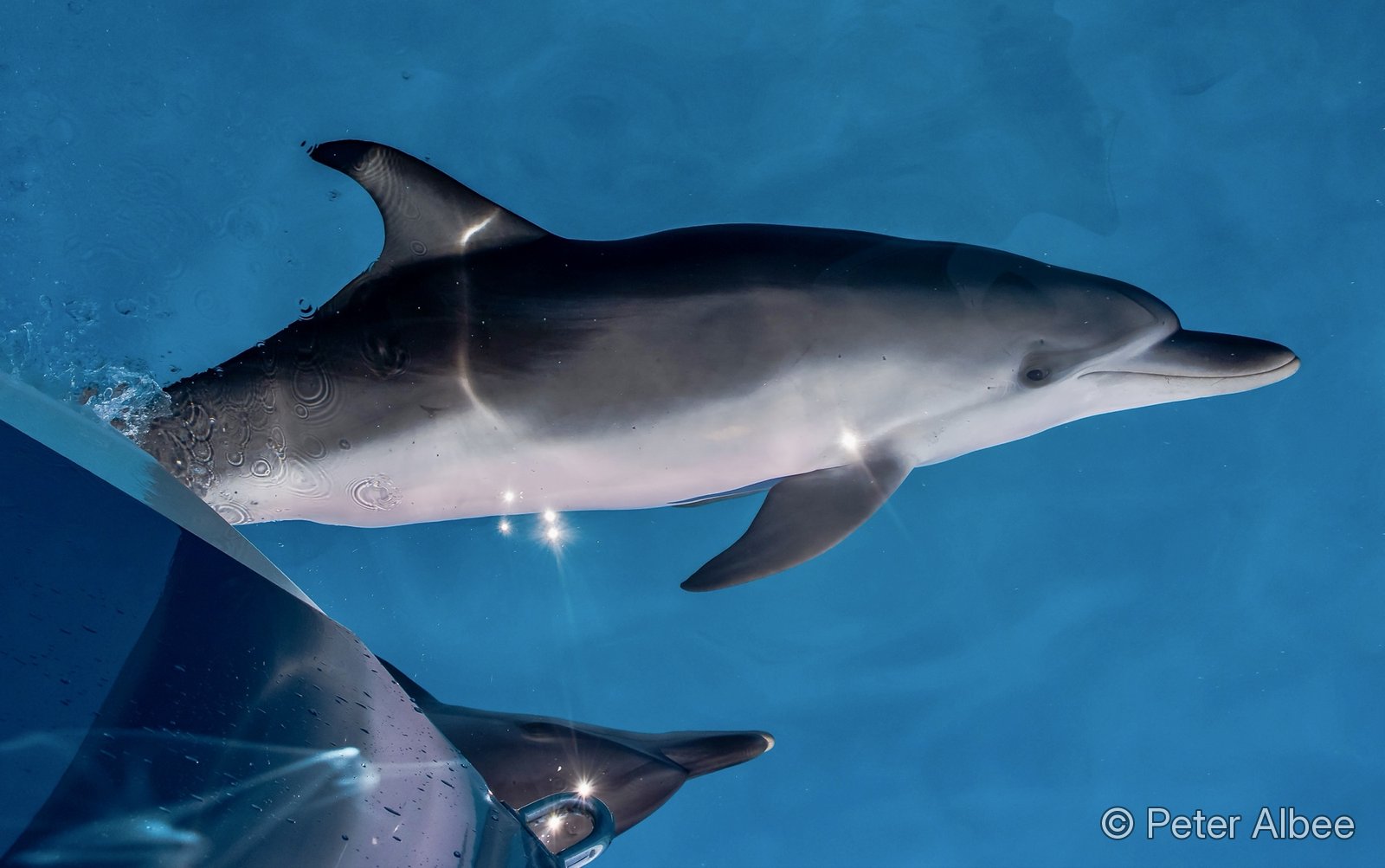
58MP Stills & Drone Video
Above the waterline, a 58-megapixel body and drone video cover everything the underwater housing can't — wake shots, dolphin encounters, and the wider landscape.
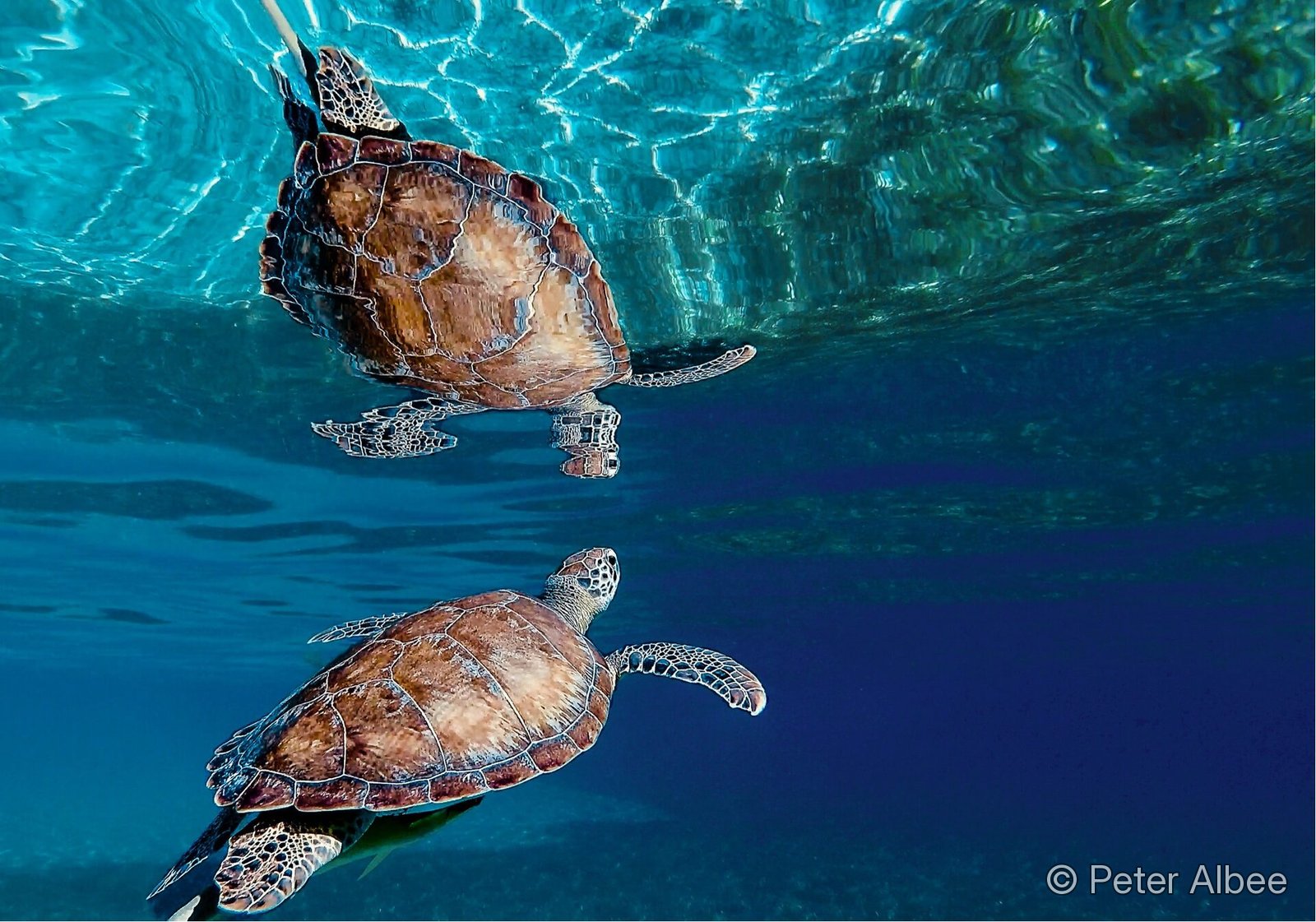
Decades of Timing
No amount of gear replaces knowing when a turtle will surface for air or where a stingray will settle at low tide. That's the part that took 38 years.
Camera bodies, housings, and drone gear ride between boats, flights, and remote landings in weatherproof CineBags — durability that matters just as much as the glass.
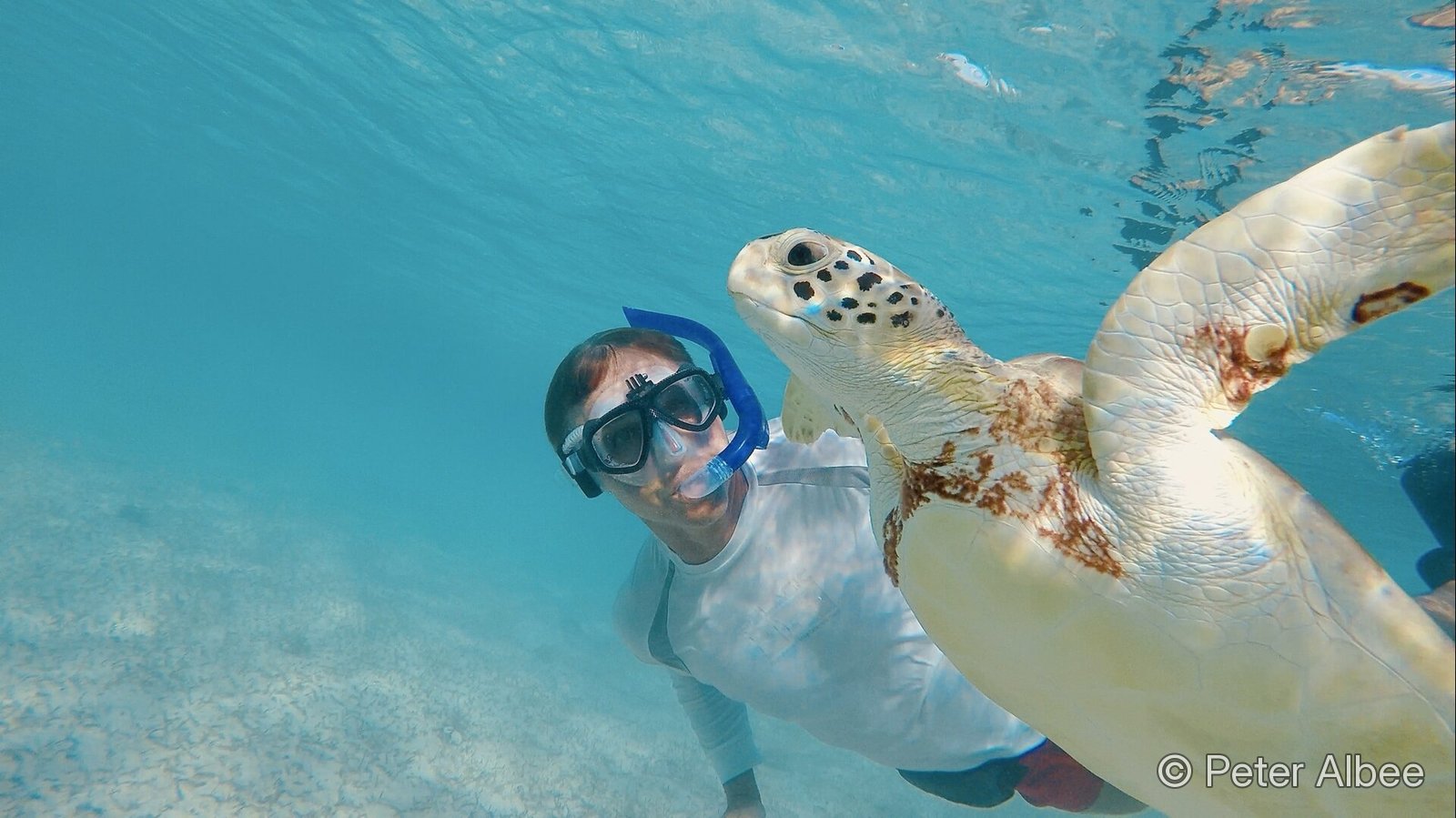
Want to hear more of the story?
New journal posts cover dive-site guides, species spotlights, and behind-the-scenes stories from the archive.